

Choosing an online casino game is easier when the lobby is treated as a catalogue rather than a single entertainment category. At casino lucky hills, players can move between slots, table games, live-dealer rooms and faster-format titles, while separate areas cover sports and esports. The practical challenge is not simply finding the largest selection. It is identifying the format, pace, rules and funding conditions that fit your preferences before committing money.
Start with the game family, not the title
A useful first step is to decide what kind of experience you want. Video slots are generally the broadest category, with themes, paylines, bonus rounds and different visual styles. Classic-style slots may offer a simpler presentation, while jackpot-labelled games can appeal to players who specifically want a prize-pool feature. These labels describe the format, not a promise of better returns or more frequent wins.
Table games suit a different preference. Roulette is centred on selecting numbers, colours or combinations, while blackjack involves decisions such as whether to draw another card or stand. Live-dealer versions add a streamed human dealer and a more social table atmosphere. Game shows occupy a middle ground, combining casino mechanics with presentation elements that may feel closer to a television quiz or competition.
Fast-paced and crash-style games should be considered separately rather than treated as ordinary slots. Their rounds can be brief, and the visual speed may encourage rapid decisions. That does not make them more predictable. Before choosing any title, open its in-game rules and check the stake options, round mechanics, winning conditions and any stated limits. A short trial can explain navigation, but it cannot establish future results, volatility or profitability.
Which filters make a crowded lobby easier to use?
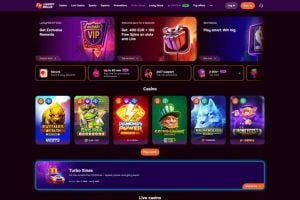
When a casino lobby contains many suppliers, browsing by provider can be more efficient than scrolling through every title. The available providers include names such as Pragmatic Play, Playson, Evolution-associated live content, Yggdrasil Gaming, Nolimit City, ELK Studios and others. A provider filter can help players return to a familiar design style, but it should not be used as a substitute for reading the rules of each individual game.
Name search is another practical tool. It works well when you already know a title, want to compare versions with similar names or are looking for a particular mechanic. Lobby badges can also identify recently added, popular or jackpot-labelled games. Treat these badges as navigation aids rather than recommendations. “Popular” does not mean suitable for every player, and “new” does not mean more likely to produce a return.
Bonus-related labels require particular care. Some games are marked as eligible for bonus play or as contributing to bonus wagering, while others may accept bonus funds without helping to meet the wagering requirement or may require cash funds only. If a promotion is active, open the bonus terms and the game’s own information before selecting it. For Canadian players, the lobby’s CAD display can make stakes easier to read, but it does not remove the need to check the account’s applicable conditions.
Match the format to the kind of decision-making you enjoy
Slots are often chosen for convenience: a player selects a stake and starts a round without making a decision during every spin. That simplicity can be appealing, but the number of available themes can make it easy to continue browsing or playing without a clear stopping point. Consider setting a session budget and time boundary before opening a large slot library.
Blackjack and roulette require a more deliberate approach, although neither gives a player control over the underlying outcome. Blackjack presents repeated choices, so players who enjoy learning rules and following a consistent strategy may prefer it. Roulette offers a more straightforward selection process, with different bets carrying different odds and payouts. Live tables add interaction and pacing, but a human dealer does not change the mathematical nature of the game.
Game shows and crash-style titles can feel more immediate because rounds are visually active and decisions may arrive quickly. That atmosphere is worth treating as a feature to manage, not evidence that the game is more entertaining or rewarding. Anyone who notices that speed is affecting their judgement can move to a slower format, leave the lobby or use the account’s available deposit and loss-limit controls.
Check the rules before comparing similar games
Two titles in the same category may differ substantially. Slots can vary in volatility, bonus mechanics, reel structure and maximum stake. Roulette may be presented in different versions with different wheel arrangements or side bets. Blackjack tables can use different rules for dealer actions, doubling, splitting and payouts. The title and artwork alone are not enough to identify these differences.
Read the in-game information before making a comparison. Look for the paytable, eligible combinations, special symbols, round instructions and any stated contribution to a promotion. Where a game provides return-to-player or volatility information, treat it as long-run statistical material rather than a forecast for the next session. A demonstration round can show how controls work, but it cannot test whether a title is “due” to win.
It is also sensible to separate game information from general gambling advice. The Canadian Centre on Substance Use and Addiction’s gambling information provides broader context about gambling-related risks and safer decision-making. That kind of independent material cannot confirm the rules or availability of a particular title, but it can help put game selection in perspective. Always rely on the operator’s current game screen and terms for casino-specific details.
Build a short list before opening the Cashbox
A shortlist can prevent impulsive movement between unrelated formats. Select perhaps one slot, one table game and one live or fast-format title that genuinely interest you. Write down what attracts you to each choice: theme, pace, rules, social presentation or simplicity. If you cannot explain the reason, continuing to browse may not improve the decision.
Next, check the practical conditions. Confirm that the game is available in your location, that the stake is shown in your active account currency and that any relevant bonus rules apply to that title. Account information states that one currency account is active at a time, and changing currency is not simply an in-account toggle. Do not assume every provider’s full library or every promotion is available to every Canadian account.
Finally, decide how the session ends before it begins. A budget limit, a time limit and a decision not to chase losses are more useful than a prediction about which game will perform well. Deposit and loss limits are listed among the account controls, and players can also seek support about self-exclusion or closure. Game discovery should remain a way to compare entertainment formats, never a method of treating gambling as income.
Questions Canadian players often ask
Are jackpot-labelled games more likely to win?
No. A jackpot label describes a feature or prize structure, not a guarantee of better odds. Read the game rules and any displayed information about the jackpot before playing. The label should help you identify a format you may enjoy, not influence you into increasing your stake or extending a session.
Can bonus funds be used on every casino game?
Not necessarily. The lobby distinguishes between games that qualify for bonus wagering, games that accept bonus funds without contributing and games requiring cash funds. Check the active promotion and the individual game information first. Unfinished bonus conditions can also affect withdrawals, so review the applicable terms before depositing.
Does a short trial reveal which game is best?
No. A brief trial can show whether the controls, pace and presentation suit you, but it cannot prove a game’s future results or profitability. Use it only to assess usability and preference. Compare rules, choose a fixed budget and stop if the experience no longer feels controlled.